Vous devez activer les cookies pour accéder à ce site.
 If you weren’t in the room today, you missed more than a conference.
You missed the real conversations happening behind the scenes of the industry.
Day one of Newforma World 2026 didn’t feel like a typical customer event. It felt like a moment of honesty. Leaders talking openly about what’s actually breaking, what’s changing faster than expected, and what firms need to get right now if they want to stay competitive.
Before any of that, though, the tone was set from the top.
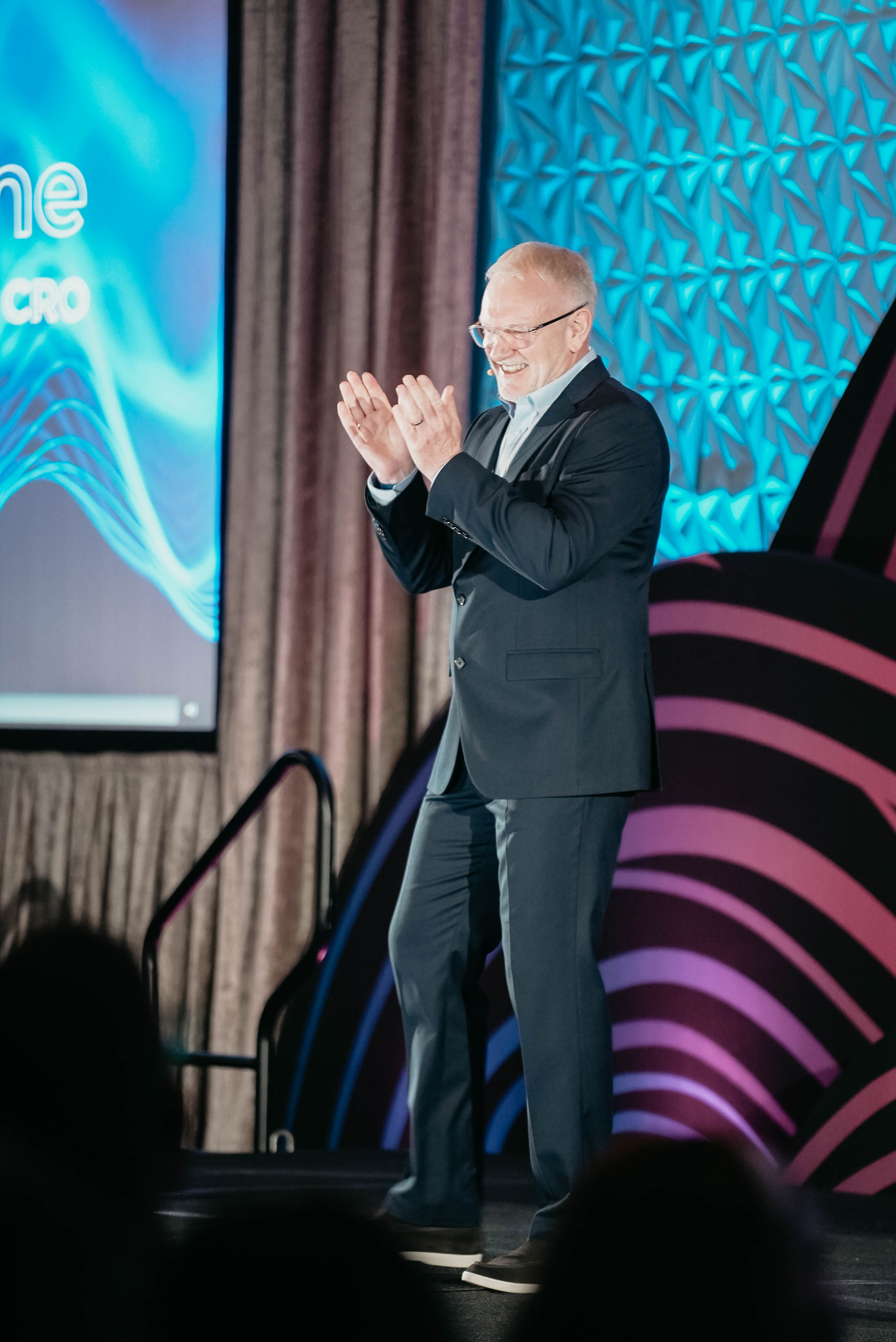
Malcolm Tinkler (CRO) opened the day with real energy. Not just a welcome, but a signal.
This wasn’t going to be a passive, sit-back-and-listen kind of event.
The keynote speaker, Erik Qualman shared how in today’s rapidly evolving digital landscape, future-proofing ourselves and our organizations means focusing on timeless habits rather than chasing every new trend. The STAMP framework – Simple, True, Act, Map, and People – offers a clear roadmap for digital leaders to navigate this complexity and thrive.
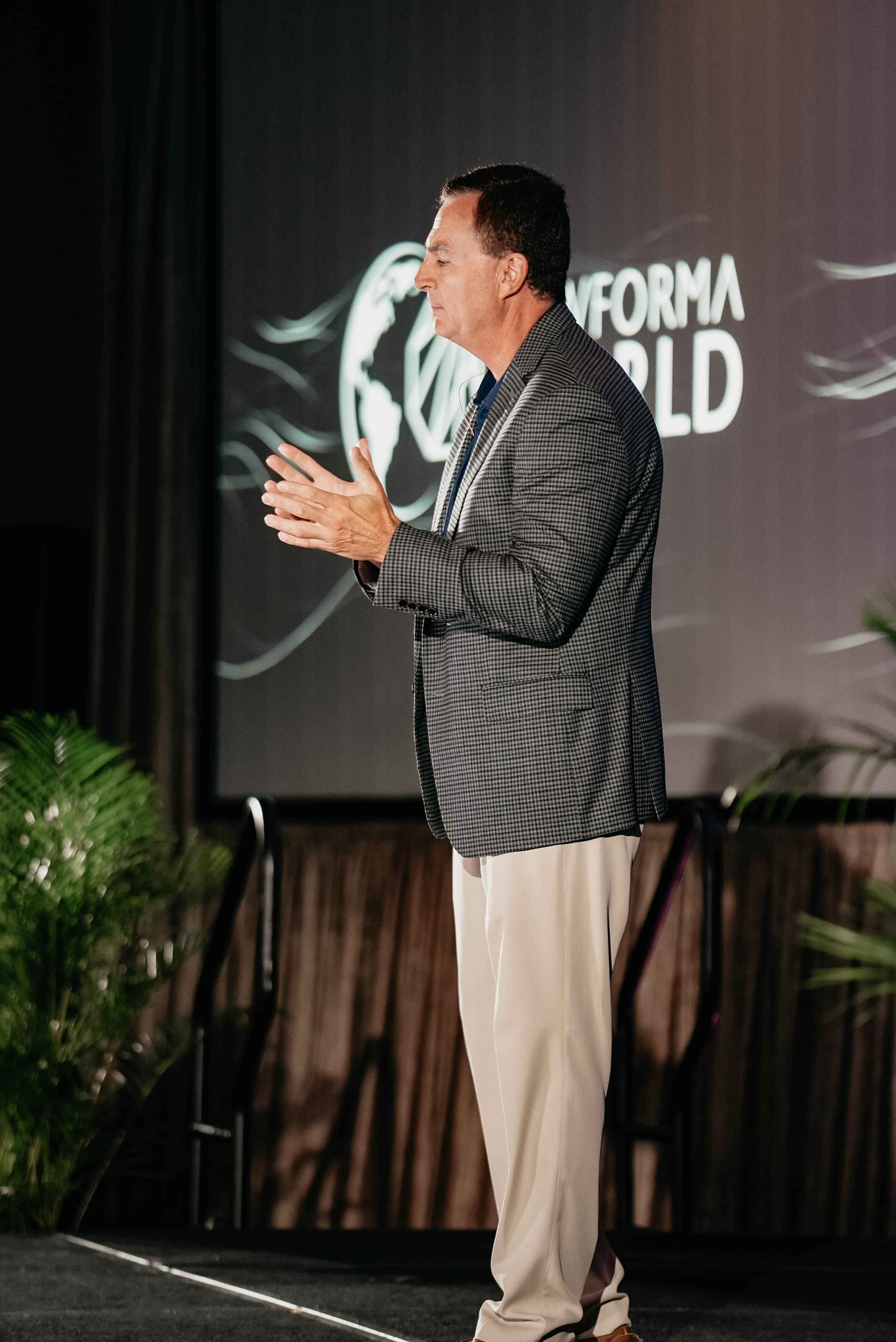 Then CEO Peter Cannone took it a level deeper.
Peter reinforced a clear commitment to customer-centricity. Not as a slogan, but as a way the business actually operates. The “new wave” of innovation at Newforma isn’t being built in isolation. It’s being shaped directly by customers through channels like Product Advisory Boards and Executive Advisory Boards.
The message was simple and hard to miss:
Newforma isn’t just listening. It’s building from what it hears.
And that set the context for everything that followed.
A few themes came through loud and clear.
1. Growth is messy. The firms winning aren’t pretending otherwise.
One of the most talked-about sessions today pulled back the curtain on post-acquisition reality.
Not the press release version. The actual version.
– What happens when you merge cultures, not just companies
– Why “standardisation” often clashes with what made firms successful in the first place
– And how quickly things can unravel without constant follow-up on workflows, policies, and responsibilities
The takeaway?
The firms getting this right aren’t chasing perfection. They’re building systems that adapt in real time while protecting what made each studio valuable in the first place.
2. Change management isn’t a process. It’s a people problem.
This came up again and again.
The hardest part of transformation isn’t technology. It’s humans.
We heard candid stories about acquisition “day one” being, in their words, “stressful for everybody.” And not in a vague way. In a very real, operational, emotional sense.
What actually works?
- Showing up in person, not just sending comms
- Creating space for people to learn, repeat, and adjust
- Building peer networks so teams don’t feel isolated
- Accepting that productivity dips before it improves
One phrase stuck: “space and grace.”
Not exactly what you expect at a tech conference. But one of the most important ideas of the day.
3. Your data isn’t the problem. What you do with it is.
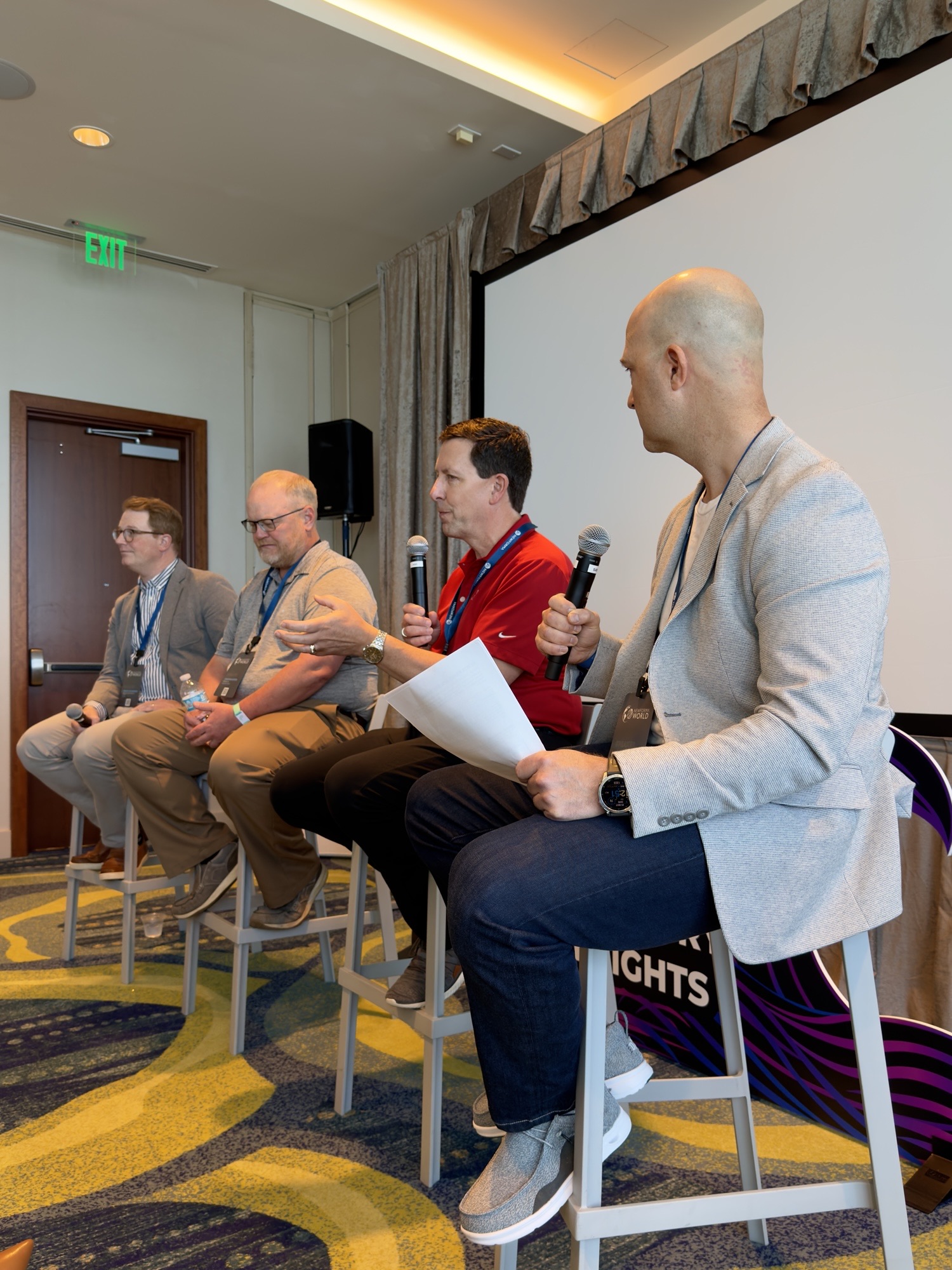 The AI and data conversations weren’t hype-driven. They were grounded.
Everyone agrees the same thing:
Most firms are sitting on a gold mine of project data. But it’s fragmented, inconsistent, and hard to trust.
The interesting shift?
The conversation is moving from “how do we collect more data?” to:
“How do we make the data we already have usable, reliable, and defensible?”
That’s where platforms like Newforma Konekt are starting to play a much bigger role. Not just as a system of record, but as a system of confidence.
Because in this market, being able to prove decisions matters just as much as making them.
4. Integration isn’t a nice-to-have anymore. It’s survival.
A lot of the practical sessions landed on the same operational truth:
Disconnected systems are slowing firms down.
The examples were concrete:
- Integrations with Autodesk Construction Cloud and Procore and so many other AECO software removing manual duplication
- Automated project setup cutting admin overhead
- Standardised structures improving adoption across teams
None of this is revolutionary on its own.
But together?
It’s the difference between a team that’s reacting… and a team that’s operating with control.
5. The best leaders in the room admitted what they don’t know
This was unexpected.
In a room full of senior leaders, there was a consistent message:
- It’s okay to say “I don’t know”
- As long as you follow up with clarity and action
In a period where expectations are rising and pressure is constant, that kind of transparency isn’t weakness. It’s leadership.
So… what did today actually show?
The industry isn’t short on tools.
It’s short on alignment.
- Between people and process
- Between systems and strategy
- Between decisions and accountability
And that’s exactly where the most interesting conversations are happening right now.
Day Two isn’t slowing down
If day one was about surfacing the reality, day two is where things get more tactical.
More on how firms are operationalising this.
More on where the gaps still are.
And more examples of what “good” actually looks like in practice.
If you’re here, you already know it’s worth it.
If you’re not… we’ll keep you posted. (But it won’t quite be the same as being in the room!)